

Condividere



Il nostro team è orgoglioso di offrire una garanzia puntuale e garanzia del prodotto alla soddisfazione del cliente.
Per saperne di più
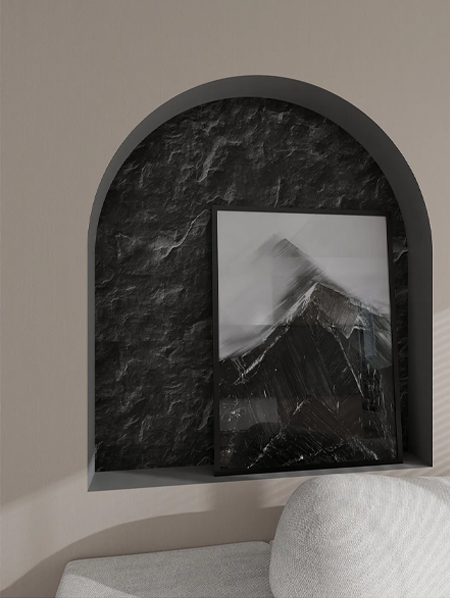
Stone paper is indeed made primarily from stone, specifically calcium carbonate (CaCO3), which constitutes about 80% of its material composition. The remaining 20% consists of a non-toxic resin, typically high-density polyethylene (HDPE), which acts as a binder to hold the stone particles together. This unique blend creates a sheet that feels like paper but possesses the durability of plastic.
Unlike traditional paper, which relies on wood fibers, water, and bleaching chemicals, stone paper is produced through a dry process. The calcium carbonate is usually sourced from waste stone dust generated by quarries or construction industries, turning industrial waste into a valuable resource. This fundamental difference in raw materials defines its environmental and physical properties.
The production of stone paper is significantly less resource-intensive than traditional pulping. The process begins with grinding limestone or marble waste into a fine powder. This powder is then mixed with the resin and extruded into thin sheets. Because no water or acids are used, the manufacturing footprint is drastically reduced.
Traditional paper production is one of the most water-intensive industries globally. In contrast, stone paper production requires zero water and no chlorine bleaching. This eliminates the release of toxic effluents into waterways and preserves local water tables. Additionally, it saves trees, as no wood pulp is required.
| Metric | Traditional Wood Paper | Stone Paper |
|---|---|---|
| Water Usage | High (Liters per kg) | None |
| Trees Used | Yes | No |
| Bleaching Chemicals | Chlorine/Acid | None |
| Raw Material Source | Wood Pulp | Limestone Waste |
One of the most striking features of stone paper is its resilience. It is waterproof and tear-resistant, making it ideal for outdoor use, such as in notebooks for hikers, maps, or packaging exposed to moisture. Unlike wood-based paper, it does not absorb ink in the same way, resulting in sharper print quality and preventing bleed-through.
Stone paper has a smooth, slightly cool-to-the-touch surface that feels distinct from traditional paper. It writes well with ballpoint pens, gel pens, and markers. However, fountain pens may take longer to dry due to the non-porous surface. The material is also flexible and does not crease easily, maintaining its shape even after being crumpled.
A common question regarding stone paper is whether it can be recycled. Since it contains plastic resin, it cannot be processed in standard paper recycling streams. Instead, it should be directed to plastic recycling facilities (specifically those handling HDPE/PE). If it ends up in a landfill, it will not decompose like wood paper, but it also does not release methane during decomposition.
Some manufacturers claim that stone paper is photodegradable, meaning it will break down into harmless calcium carbonate dust when exposed to sunlight for extended periods (typically 6-12 months). While this is a benefit over conventional plastics, it requires specific conditions and does not occur in dark landfills. Proper disposal remains key to maximizing its environmental benefits.
Stone paper is gaining traction in various industries, from publishing to packaging. It is particularly useful for children's books, waterproof labels, and premium business cards. However, it is not suitable for all applications. For instance, it cannot be used in laser printers because the heat can melt the resin component, potentially damaging the machine.
For everyday writing and inkjet printing, stone paper is an excellent, durable alternative. Its unique combination of stone and resin offers a sustainable path forward for reducing deforestation and water pollution, provided that consumers dispose of it correctly. It represents a innovative shift in how we view "paper" products.
 Ottieni supporto
Ci concentriamo su decorazioni per la casa ecologiche, sane e alla moda, facendo brillare il tuo spazio abitativo con fascino unico.
Copyright © Hangzhou Xinyue Decorative Materials Co., Ltd. All rights reserved.
Produttori di carte decorative personalizzate